
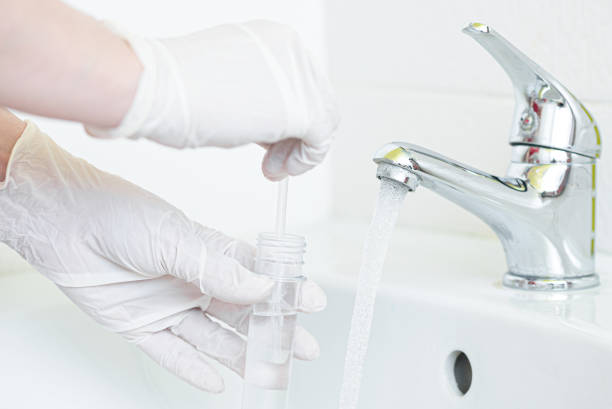
Start with what the household is actually noticing
Plumbing repairs can change more than what the eye can see. In Queens private homes, attached homes, renovated properties, and mixed-age plumbing systems, the water concern usually begins with daily use rather than laboratory language. Someone sees a change at the tap, notices a taste, worries about children, or realizes that the property’s plumbing history is not fully known. That moment is important because it turns an invisible system into a household question. The strongest response is not panic and not delay. It is a structured look at the water points the family uses most. Professional water testing services help connect the concern to real fixtures, real routines, and real analysis instead of relying on appearance alone.
Why the property matters as much as the symptom
After plumbing repairs in Queens, the most important property detail is what changed. A new valve, replaced fixture, opened branch line, or updated connection can all affect how a homeowner thinks about testing. The concern may not involve the entire home. It may involve the repaired area, a newly installed faucet, or a line that was disturbed during work. A strong sample plan starts by identifying the fixtures connected to the repair and the water points the family uses most.
Common concerns that testing can organize
Families may be thinking about new valves, fittings, fixture swaps, branch changes, copper questions, lead concerns, and corrosion behavior. Those concerns often overlap. For example, a visible water issue may lead to questions about metals. A taste issue may lead to questions about corrosion. A child in the home may make lead feel more urgent. A family hearing about PFAS may wonder whether broader testing is appropriate. The site’s what we test page helps organize those categories so homeowners and renters can think beyond one symptom at a time. Testing is most useful when it turns many scattered worries into a clear set of questions.
Use official guidance, but apply it to the actual home
After plumbing repairs, homeowners can use official guidance to understand why materials and water contact matter. The EPA lead resource explains plumbing-related lead concerns, and the CDC drinking water guidance offers practical reminders for household water use. But the repair itself creates a local question. Which line was opened? Which valve was changed? Which fixture is now connected differently? Testing answers the post-repair question at the affected tap.
Why laboratory analysis is stronger than guessing
After repairs, water may look different, taste different, or behave the same while still leaving questions. Guessing cannot show whether the project changed lead, copper, corrosion behavior, or general water quality conditions. Laboratory testing provides a more dependable snapshot tied to the repaired area. The laboratory analysis process is useful because the report can be compared to the repair history and the fixture most affected by the work.
Choosing sample points with a purpose
For testing after plumbing repairs, sample location is one of the biggest decisions. The easiest faucet is not always the best one. A family may need to test the main drinking water tap, a bathroom used by children, a fixture affected by recent repairs, or more than one point if the concern may vary across the property. In older homes and shared buildings, different branches can behave differently. In newer-looking spaces, hidden materials may still matter. Good sample planning asks what question the family wants answered. Is the concern about the whole home, one faucet, a renovated area, or the water children use most often?
What results can help families decide
Results after plumbing work can help a Queens homeowner decide whether the repair is complete from a water quality standpoint or whether follow-up is needed. A reassuring result may help the household return to normal use with confidence. A concerning result may support a conversation with the plumber or a decision to test another fixture. The NYC DEP’s lead test kit information provides city-specific context, but property-specific testing helps homeowners understand their own repaired system.
Keep notes so the report has context
Homeowners should keep the plumbing invoice, repair date, materials list if available, and the location of the work. They should also record whether the sampled faucet was directly affected or simply nearby. These details help connect the result to the project and make future follow-up easier.
A practical way to move forward
The best testing plan is focused, not random. It begins with the household concern, identifies the most meaningful fixtures, collects samples carefully, and reads results in context. For homeowners in Queens, this approach can reduce anxiety because it turns vague concern into a practical path. Water testing is not about assuming every property has a problem. It is about checking the water that people actually use and making decisions with better information. Families can review local availability through the locations page or ask questions through the contact page when they are ready to plan testing.
What makes this concern different in Queens
In Queens, the practical details of testing after plumbing repairs can vary from one property to another. A family in a newer condominium may be asking a different question than a homeowner in an older private residence. A renter may not know what materials exist outside the unit, while an owner may know only the repairs completed during their time in the home. That is why testing should be connected to the property rather than copied from a generic checklist. The right plan considers the most-used fixtures, recent changes, and the household’s reason for testing.
How families can use the result without overreacting
Results should be used calmly and practically. If the analysis does not show a concern at the sampled point, the household can keep that record and decide whether routine monitoring is enough. If the analysis does show something that deserves attention, the family can respond with targeted follow-up rather than broad fear. For homeowners, that may mean checking another faucet, comparing hot and cold water, reviewing filter maintenance, talking with a property manager, or asking a plumber to inspect a specific section. Testing is strongest when it leads to focused action.
Why repair records help interpretation
Queens homeowners should keep records of what was repaired, which materials were installed, and which fixtures were affected. Those records can make test results more meaningful because the homeowner can connect a change in water quality to a specific project. Even simple notes from an invoice or plumber visit can help guide follow-up if a result suggests additional review is needed.
Testing after repairs can also create a useful baseline for the future. If another issue appears later, the homeowner can compare the new concern against the post-repair result and the record of what work was completed. That makes future troubleshooting easier. A simple report, paired with repair notes, can become part of the home’s maintenance history.
That record can be especially helpful if future repairs or water concerns appear in the same part of the home.
Small details often make later troubleshooting much easier.
Homeowners should also consider whether the repaired fixture is part of everyday water use. A small repair in a rarely used area may be less important than work affecting the main kitchen tap. Testing is most useful when it checks the water points that matter most to the household.