
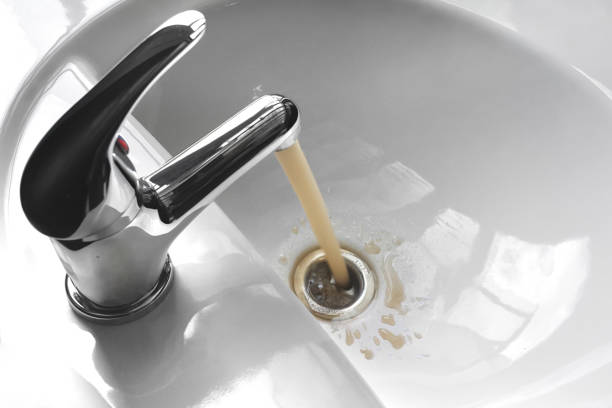
Brown water deserves a structured response
Brown water is one of the fastest ways for a family to lose confidence in the tap. In Brooklyn homes, brownstones, apartments, and shared buildings, discoloration can appear suddenly after plumbing work, hydrant activity, construction, building maintenance, or changes in water flow. Sometimes it clears quickly; sometimes it keeps returning. Either way, brown water should not be brushed aside without understanding the likely causes. It may involve iron, sediment movement, corrosion byproducts, aging fixtures, or disturbed plumbing scale. A professional approach through testing services helps separate a passing nuisance from a water quality concern that deserves stronger follow-up.
What brown water can suggest
Brown water does not point to one single cause. Iron can create reddish-brown discoloration. Sediment can enter the visible water stream after movement inside pipes. Corrosion can contribute color, particles, or staining. In older buildings, plumbing history can make the issue more complicated because different sections may have different materials and ages. A Brooklyn brownstone might have updated kitchen fixtures while older branch lines remain behind walls. An apartment may be affected by plumbing inside the unit or by shared building conditions. This is why appearance alone cannot provide a complete answer. Testing helps put the visual problem into a clearer framework.
Why Brooklyn property history matters
Many Brooklyn properties have been renovated in layers. One owner may update a kitchen, another may replace a bathroom, and older plumbing may still exist below floors or inside walls. That mixed history can make brown water hard to interpret. The NYC Department of Environmental Protection explains that city water is delivered from the reservoir system with very low lead levels, but water can absorb lead from plumbing materials in some buildings or homes. Brown water is not the same thing as lead, but plumbing-related discoloration should make families think more carefully about what water contacts before reaching the tap. A broader review of what we test can help connect appearance to possible contaminants.
Do not rely on color alone
The mistake many households make is treating color as the entire diagnosis. Clear water can still have a contaminant concern, and brown water can come from more than one condition. Some discoloration may be related to iron or harmless sediment, while other situations may point to corrosion or plumbing disturbance that needs more attention. Families should also pay attention to whether brown water appears at one fixture or several, whether hot water and cold water behave differently, and whether the issue follows repairs or building maintenance. Those details help determine whether testing should focus on a single faucet, multiple fixtures, or a wider household pattern.
When children are in the home
A brown water episode feels different when children live in the home. Parents may wonder whether children should drink from the tap, brush teeth, or use water for meals during the event. The CDC’s lead and drinking water guidance is a reminder that families should use practical caution around water questions involving children, especially when plumbing materials and exposure concerns are unclear. Brown water does not automatically mean lead is present, but it does justify clearer information when families rely on that water every day. Testing gives parents a way to stop guessing and start understanding the sampled fixtures.
How testing helps sort out the issue
Laboratory testing can help identify whether the concern is tied to iron, metals, turbidity, lead, copper, or broader drinking water quality indicators. The exact panel depends on the situation. A single discoloration event after nearby work may call for a different approach than repeated brown water at the same kitchen sink. Professional interpretation matters because the result should be read alongside sample location, timing, fixture history, and household use. The laboratory analysis process can make the difference between a number on a report and information that actually helps the household make decisions.
What Brooklyn families should document
Before testing, families should record where and when the brown water appears. Does it happen in the morning after water sits overnight? Does it affect only hot water? Is it present after flushing the toilet, running the shower, or using multiple fixtures at once? Did a plumber recently work in the building? Did neighbors notice the same issue? These details make the testing plan stronger. A sample from the wrong time or wrong faucet may miss the problem. Good notes help connect the lab result to the water behavior the family actually saw.
A smart next step after brown water appears
Brown water should not create panic, but it also should not be ignored. The best response is to treat it as a signal that deserves context. Run through the household observations, avoid assuming the issue is harmless, and consider testing if the problem persists, returns, or affects water used for drinking and cooking. The EPA’s drinking water information can help families understand why water quality should be evaluated with evidence rather than assumptions. Brooklyn households that want local support can start with the contact page and ask what type of testing fits the discoloration concern.
Why timing can change the testing plan
Timing is especially important with brown water. A sample taken after the water has run clear for several hours may not reflect the problem the family saw. If discoloration appears in the morning, after building maintenance, or after nearby street work, those details should be recorded before testing. A family should also note whether the issue appears only in hot water or also in cold water, because that difference may point the review in different directions. The more accurately the household describes the event, the more useful the testing plan becomes.
When repeated discoloration deserves follow-up
One brown water event may be temporary, but repeated discoloration deserves stronger attention. If the water changes color again and again, affects drinking or cooking fixtures, leaves staining, or appears with particles, families should not simply wait and hope it disappears. Testing can help determine whether metals, sediment, or other water quality indicators are part of the concern. This is especially important in homes where children, older adults, or sensitive household members rely on the same taps every day.
Final household note
For this topic, the most important point is that the household should not treat the water question as something to guess through. A clear sample location, careful collection, and thoughtful review of the report can make the concern easier to manage. The goal is not to test everything without purpose. The goal is to answer the question that matters most for the people using that water every day.
Keep the response practical
A practical response gives the family a record of what happened, where it happened, and what the test was meant to answer.
Looking beyond the first clear glass
Brown water may disappear after flushing, but that does not always mean the household has learned what caused it. Families should consider whether the issue returned, whether particles remained, whether staining appeared, or whether neighbors reported similar changes. Testing gives the household a better way to understand the event instead of treating the first clear glass as the full answer.
That simple record can make the next testing decision more focused and less stressful.