
Start with what the household is actually noticing
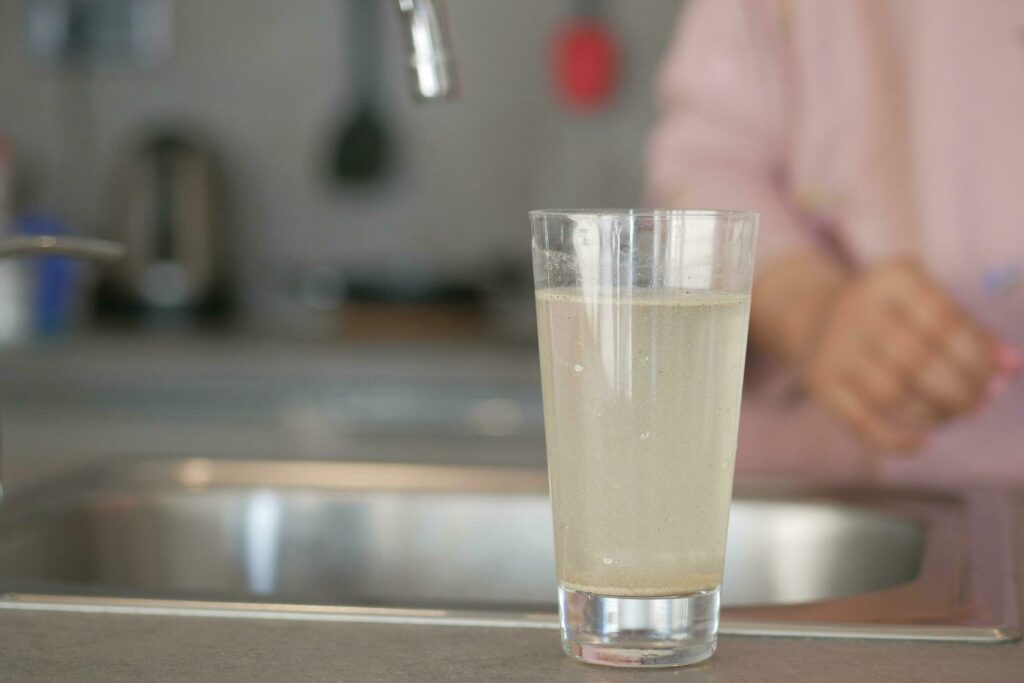
Many families hear about one contaminant at a time and never get a full picture of what may matter in daily household water. In Queens private homes, apartments, condominiums, and rental units, the water concern usually begins with daily use rather than laboratory language. Someone sees a change at the tap, notices a taste, worries about children, or realizes that the property’s plumbing history is not fully known. That moment is important because it turns an invisible system into a household question. The strongest response is not panic and not delay. It is a structured look at the water points the family uses most. Professional water testing services help connect the concern to real fixtures, real routines, and real analysis instead of relying on appearance alone.
Why the property matters as much as the symptom
Queens families often face broad questions because one concern can quickly lead to another. A homeowner may begin by asking about lead, then wonder about copper, iron, bacteria, or PFAS. A renter may notice taste or particles but have little information about plumbing age. The property type matters, but so does the household routine. Testing should connect the concern to the fixtures used for drinking, cooking, and children’s daily habits instead of treating every outlet as equally important.
Common concerns that testing can organize
Families may be thinking about lead, copper, iron, arsenic, bacteria, PFAS, taste concerns, odor concerns, and potability questions. Those concerns often overlap. For example, a visible water issue may lead to questions about metals. A taste issue may lead to questions about corrosion. A child in the home may make lead feel more urgent. A family hearing about PFAS may wonder whether broader testing is appropriate. The site’s what we test page helps organize those categories so homeowners and renters can think beyond one symptom at a time. Testing is most useful when it turns many scattered worries into a clear set of questions.
Use official guidance, but apply it to the actual home
Queens families may hear about contaminants from national headlines, city guidance, or conversations with neighbors, but the real question is always local to the home. The EPA’s PFAS information can help explain why emerging contaminants matter, while the CDC’s private well information is useful for families thinking about water sources and testing responsibilities. Still, a general resource cannot describe what is happening at one kitchen tap in Astoria, Flushing, Jamaica, or Forest Hills. Property-specific testing connects the broader concern to the water the family actually uses.
Why laboratory analysis is stronger than guessing
With common contaminants, guessing usually leads families in too many directions at once. A metallic taste may suggest one type of issue, visible particles another, and a child’s daily exposure may raise a different concern entirely. Laboratory testing helps organize these questions into selected parameters and measurable results. The laboratory analysis process is especially useful when several concerns overlap because it can help families see whether the issue is related to metals, bacteria indicators, PFAS-related concerns, or general water conditions.
Choosing sample points with a purpose
For common drinking water contaminants, sample location is one of the biggest decisions. The easiest faucet is not always the best one. A family may need to test the main drinking water tap, a bathroom used by children, a fixture affected by recent repairs, or more than one point if the concern may vary across the property. In older homes and shared buildings, different branches can behave differently. In newer-looking spaces, hidden materials may still matter. Good sample planning asks what question the family wants answered. Is the concern about the whole home, one faucet, a renovated area, or the water children use most often?
What results can help families decide
Results can help Queens families decide which concern deserves attention first. If a lead result is low but iron is present, the conversation may move toward plumbing appearance and staining. If bacteria indicators are part of the concern, the next step may be different. If a PFAS question is being asked, the family may need to understand the limits of the selected panel. The EPA’s lead information is one useful reference for interpreting why lead is handled seriously, but the household’s own result provides the property-specific starting point.
Keep notes so the report has context
Queens households should write down what prompted the test before the sample is collected. Was there a taste complaint? Did the water look cloudy? Is the concern about a child, a renovation, or a new home purchase? Which faucet is used most for drinking and cooking? Those notes help the family understand why a specific panel was chosen and how the result should be used. Without that context, a report may be technically correct but less useful for decision-making.
A practical way to move forward
The best testing plan is focused, not random. It begins with the household concern, identifies the most meaningful fixtures, collects samples carefully, and reads results in context. For families in Queens, this approach can reduce anxiety because it turns vague concern into a practical path. Water testing is not about assuming every property has a problem. It is about checking the water that people actually use and making decisions with better information. Families can review local availability through the locations page or ask questions through the contact page when they are ready to plan testing.
What makes this concern different in Queens
In Queens, the practical details of common drinking water contaminants can vary from one property to another. A family in a newer condominium may be asking a different question than a homeowner in an older private residence. A renter may not know what materials exist outside the unit, while an owner may know only the repairs completed during their time in the home. That is why testing should be connected to the property rather than copied from a generic checklist. The right plan considers the most-used fixtures, recent changes, and the household’s reason for testing.
How families can use the result without overreacting
Queens families should use results to sort priorities. A result may show that a visible issue is mainly aesthetic, or it may show that a metal, bacteria indicator, or other parameter deserves attention. If the concern is broad, the report helps narrow the next question instead of adding more confusion. Families can decide whether to monitor, test another fixture, review plumbing, or choose a more specific follow-up panel.
Why a broader panel can be useful
Queens families sometimes begin with one concern and then realize the real question is broader. Lead may be the first worry, but copper, iron, bacteria, PFAS, or potability indicators may also matter depending on the property. A thoughtful testing panel can help families avoid chasing one issue while missing another more relevant one. The goal is not to test everything blindly, but to choose a panel that fits the household’s water use.
A useful testing plan also helps families avoid mixing every concern into one unclear question. Lead, copper, bacteria, PFAS, and appearance issues do not always require the same sample approach. By choosing a panel that fits the household’s specific concern, Queens families can get information that is easier to interpret and easier to use.