
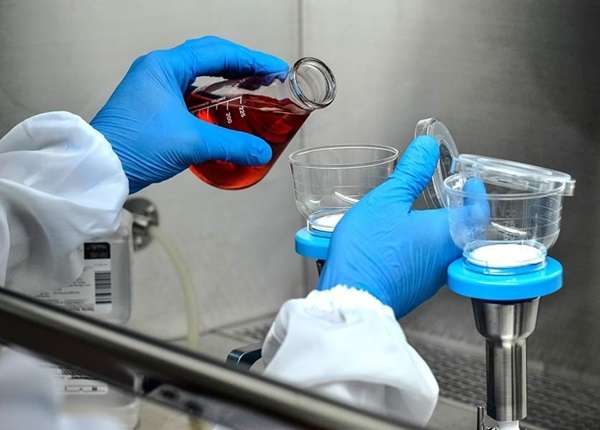
Professional Water Testing Keeps NYC and North NJ Water Concerns Grounded in Data is a practical question, not just a search phrase. In North NJ, a household water concern often begins with something ordinary: a child filling a cup, a sink that stains, a renovated kitchen that tastes different, a cloudy glass, or a neighbor reporting a similar problem. The difficult part is that everyday observations do not automatically identify the cause. When water concerns are handled without real analysis, the conversation often becomes speculative, emotional, or too vague to be useful. Professional testing replaces that uncertainty with stronger information about metals, bacteria, PFAS, potability indicators, and plumbing-related conditions tied to the property itself. Families, owners, renters, and buyers can then make decisions with a much stronger foundation. This article would close the domain by centering data-driven local water testing for families across NYC and North NJ. A thoughtful testing plan gives the concern a shape. It helps separate what can be seen from what must be measured, and it gives families, owners, boards, or buyers a better way to decide what deserves follow up.
Why the right test depends on the decision behind Professional Water Testing Keeps NYC and North NJ Water Concerns Groun
Data does not remove every judgment call, but it changes the quality of the conversation. Without numbers, families may argue over whether a smell is real, whether a stain matters, whether headlines apply to them, or whether a landlord’s reassurance is enough. With a properly collected sample and a clear report, the discussion can move toward contaminant categories, likely plumbing connections, and reasonable next steps.
North NJ properties often carry layered plumbing histories: older service lines, updated kitchens, copper additions, brass fixtures, galvanized remnants, private wells in some areas, and treatment devices installed at different times. That is why a laboratory result should not be treated as a loose number floating outside the property. It should be read alongside where the sample was collected, how long the water sat, whether nearby work happened recently, and whether other fixtures show the same pattern.
Local plumbing variables that change interpretation for Professional Water Testing Keeps NYC and North NJ Water Concerns Groun
Comparing complaint taps and control taps for Professional Water Testing Keeps NYC and North NJ Water Co
A useful sample plan starts by naming the decision the family needs to make. Is the goal to understand a stain, check a child-exposure concern, evaluate a recent renovation, compare two fixtures, or create a baseline before repairs? In North NJ, those questions change which tap is sampled, whether a first-draw or flushed sample is appropriate, and whether the household needs a narrow screen or a broader panel.
For families who want a more organized path, lab-based water analysis can help match the test menu to the household question. A result becomes more useful when it is connected to water testing laboratory support, because the homeowner can see whether the concern involves metals, bacteria indicators, potability markers, PFAS, or general chemistry. Local context also matters, so households can review plain-English water testing FAQ instead of assuming every property in the region should be tested the same way.
Contaminant groups not to confuse in Professional Water Testing Keeps NYC and North NJ Water Concerns Groun
The main value of testing is that it translates a household description into measurable categories. Brown water may suggest iron, sediment, corrosion, or disturbed deposits. A metallic taste can point attention toward copper, iron, manganese, zinc, or other plumbing-related metals. A child-exposure concern may put lead, copper, and bacteria near the top of the list. A broad potability concern may include microbiological indicators, pH, total dissolved solids, nitrates, hardness, metals, and sometimes PFAS. EPA drinking water regulations provides the larger regulatory context for many drinking-water contaminants, including metals and microbiological indicators. CDC drinking water safety overview is useful for families because it connects drinking water concerns to daily household exposure, including children and pregnant people.
A plumbing decision should not be made from a single vague symptom. Replacing a faucet is different from replacing a branch line. Cleaning an aerator is different from reviewing a water heater. Installing treatment is different from correcting a cross-connection or bacteria issue. Water testing helps the family match the scale of action to the scale of evidence.
From results to repairs, filters, records, or reassurance for Professional Water Testing Keeps NYC and North NJ Water Concerns Groun
How follow-up choices stay proportional for Professional Water Testing Keeps NYC and North NJ Water Co
The most useful interpretation connects results to plumbing behavior. Lead and copper may suggest corrosion-related conditions. Iron and manganese may help explain color or staining. pH and alkalinity can help explain whether water conditions may interact with plumbing materials. Bacteria indicators raise a different set of questions about sampling technique, plumbing integrity, treatment, and immediate use. In North NJ, the lab report is strongest when it is paired with the home’s fixture map and water-use routine.
Homeowners should connect the report to maintenance priorities. If results suggest one fixture is the source, replacement or cleaning may be enough. If multiple locations show related findings, a branch line, water heater, treatment system, or service-entry condition may deserve review. Families can also use water testing laboratory support as a starting point, then move to plain-English water testing FAQ when they want help matching the concern to a practical testing plan. EPA information on PFAS in drinking water notes that PFAS are regulated drinking-water contaminants, which is why some families include them in broader screening rather than relying only on appearance.
When results look reassuring, the report still has value. It can become a baseline before renovation, a record for a board discussion, a reference after a newborn arrives, or a comparison point if discoloration returns. Water quality can change after construction, plumbing work, fixture replacement, water heater service, or long stagnation, so a clean result should be stored rather than forgotten.
Before sampling, the household should write down the exact fixture name, date, time, whether the water was used recently, and any unusual event such as street work, building maintenance, construction, filter replacement, or a new appliance. These details sound small, but they can explain why two samples from the same home tell different stories. They also protect the family from misreading a result that was collected under unusual conditions.
After results arrive, compare them with the original reason for testing. If the concern was staining, look at metals and chemistry that can plausibly explain staining. If the concern was children’s use, lead, copper, bacteria indicators, and relevant contaminants may matter more. If the concern was a purchase, the result should be read beside inspection notes and service-line observations. This prevents the report from becoming a confusing list of numbers.
Across North NJ, better water decisions begin with better information. A well-planned test can make repairs, maintenance, and long-term household choices more grounded. Water testing is not meant to create panic or replace guidance from a licensed plumber, public water supplier, local health department, or medical professional. Its value is that it gives households a more specific starting point when a concern is no longer just a guess.